If you have received an Ausgrid defect notice in Newcastle, it usually means part of your electrical installation has been identified as unsafe, damaged, non-compliant, or in need of repair.
If you’ve received an Ausgrid defect notice for your property in Newcastle or Lake Macquarie, it usually means part of your electrical installation has been identified as unsafe, damaged, non-compliant, or in need of repair.
For most property owners, the first reaction is the same:
What an Ausgrid Defect Notice in Newcastle Usually Means
The good news is that many defect notices can be resolved quickly once the problem is properly identified and the right contractor is engaged.
The important part is not ignoring it.
For standard electrical defect notices, Ausgrid’s process generally requires the defect to be rectified and reported back for further audit within 21 days, unless a different timeframe is stated on the notice. Ausgrid also distinguishes major safety defects that must not remain connected to the network.
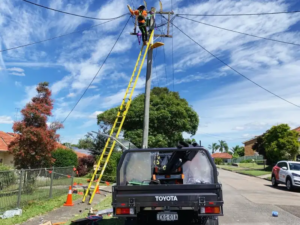
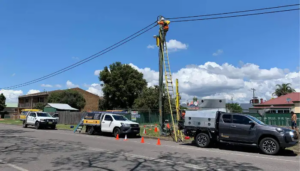
At Elevated Electrical & Automation, we carry out Level 2 ASP work across Newcastle, Lake Macquarie and surrounding areas, including defect rectification, consumer mains upgrades, private pole work, overhead and underground service work, metering-related work, and disconnect/reconnect services.
What is an Ausgrid defect notice?
An Ausgrid defect notice is a formal notice that a problem has been found with part of the electrical installation associated with your property.
In simple terms, it means something has been identified that is no longer considered safe, compliant, or suitable to remain as it is.
Depending on the issue, the defect may involve:
- consumer mains
- overhead service lines
- underground service lines
- point of attachment equipment
- private poles
- metering arrangements
- earthing or bonding
- damaged or deteriorated electrical components
Some defects are minor and can be rectified within the normal defect period. Others are treated more seriously.
Ausgrid’s defect material states that where an appliance, fitting or apparatus presents a high-risk safety hazard and cannot be made safe by other means, urgent action is required, and ES4 says major safety defects must not be connected to the network or left connected if already energised.
How long do you have to fix it?
For a standard electrical defect notice, the usual requirement is 21 days to rectify the issue and report it back to Ausgrid, unless the notice says otherwise. Ausgrid’s defect notice material states defects must be rectified and reported for further audit inspection within 21 days, and ES4 says non-compliant Level 2 ASP work found during audit must be rectified within 21 days unless otherwise stated.
That is why it is best to treat a defect notice as something urgent, even if the problem does not seem dramatic yet.
The longer it is left, the more likely it is to become stressful, disruptive, or more expensive to resolve.
What happens if the defect is major or hazardous?
If the issue is considered a major safety defect, it is not something that can simply be monitored and dealt with later.
Ausgrid’s rules define major safety breaches or defects as those that are immediately or potentially dangerous to life, health or property, and they must not be connected to the network or, if already connected, must not be left connected.
In practical terms, that means serious defects may require immediate isolation or disconnection for safety.
This is one of the reasons it is so important to have the defect assessed by the right electrician as soon as possible.
Do you need a Level 2 ASP electrician?
Sometimes, a standard electrician can rectify internal electrical issues.
But if the defect involves contestable service work connected to the Ausgrid network side of the installation, you will generally need an authorised Level 2 ASP.
That includes work such as:
- disconnecting and reconnecting the supply
- overhead service line work
- underground service line work
- metering or energising-related Level 2 work
- some connection points and service equipment defects
Ausgrid’s Installation & Service material and ES4 set out ASP/2 authorisations for disconnect/reconnect, underground services, overhead services and energising-related work, which is why many network-side defects cannot be handled by a standard electrician alone.
Common defect notice issues we see in Newcastle
In older Newcastle and Lake Macquarie properties, the most common defect notice issues often involve ageing supply infrastructure rather than just internal house wiring.
Damaged consumer mains
Older consumer mains can become brittle, undersized, exposed, or deteriorated over time.
This is especially common in homes that have had renovations, added load, new appliances, or switchboard changes without the incoming supply being upgraded to match.
Point of attachment defects
For overhead connections, the point of attachment can become unsafe due to corrosion, movement, damage, or non-compliant installation.
Private pole defects
Properties with private poles can receive defect notices where the pole is leaning, rotted, unstable, damaged, poorly supported, or affected by deteriorated fittings and hardware.
Overhead service clearance issues
Trees, structures, extensions, carports, and site changes can create clearance issues around overhead conductors.
Metering and service equipment problems
Defects may also involve damaged meter boards, enclosures, service protection, or associated connection equipment.
What should you do after receiving a defect notice?
What should you do after receiving a defect notice?
1. Read the notice carefully
Check what has actually been listed as defective.
Do not assume it is just a minor paperwork issue.
Look for:
- the defect description
- the address details
- any defect or reference number
- any timeframe stated on the notice
- whether the issue appears urgent or hazardous
2. Do not ignore it
A defect notice is a formal notification that a safety or compliance issue has been identified.
For standard defects, the usual response window is 21 days unless otherwise stated. Leaving it too long can create pressure, risk of escalation, and possible supply issues if the defect remains unresolved.
3. Work out whether it is Level 2 work
If the defect involves the supply to the property rather than just internal house wiring, there is a strong chance it will need a Level 2 ASP electrician.
4. Arrange an inspection
The defect needs to be inspected properly so the exact problem can be confirmed, and the correct repair scope can be quoted.
5. Rectify the defect properly
The aim is not to do a quick patch-up.
The work needs to be completed safely, correctly, and in line with the applicable requirements for the type of installation involved.
6. Ensure the correct paperwork is lodged
Once the work is completed, Ausgrid needs to be notified through the appropriate paperwork.
Ausgrid’s published process says that defects are notified as rectified through a CCEW, NOSW, or both, depending on the work involved, and more recent Ausgrid guidance says failure to attach a valid CCEW to a corresponding NOSW may result in rejection or a defect being issued.
Can your usual electrician fix the problem?
Maybe — but not always.
A lot of homeowners assume that any licensed electrician can clear any defect notice.
That is not necessarily true.
If the defect is internal to the property, a standard electrician may be able to handle it.
If the defect involves contestable service work connected to the network side of the installation, it will generally require an authorised Level 2 ASP. Ausgrid’s documentation makes that separation clear through its ASP authorisation framework and service work process.
Why are these notices common in older Newcastle homes
Across Newcastle and Lake Macquarie, many homes still have older overhead service arrangements, ageing consumer mains, older meter setups, and private poles that have been exposed to years of weather and site changes.
The system may have “worked fine for years”, but that does not mean it still meets the required safety or service conditions once inspected.
That is often why a defect notice catches people off guard.
How Elevated Electrical can help
At Elevated Electrical & Automation, we help property owners across Newcastle and Lake Macquarie with Level 2 defect rectification work involving:
- consumer mains upgrades
- private pole repairs and replacements
- overhead service work
- underground service work
- disconnect/reconnect services
- metering-related Level 2 work
- point of attachment repairs
- defect rectification linked to renovation, upgrade or connection issues
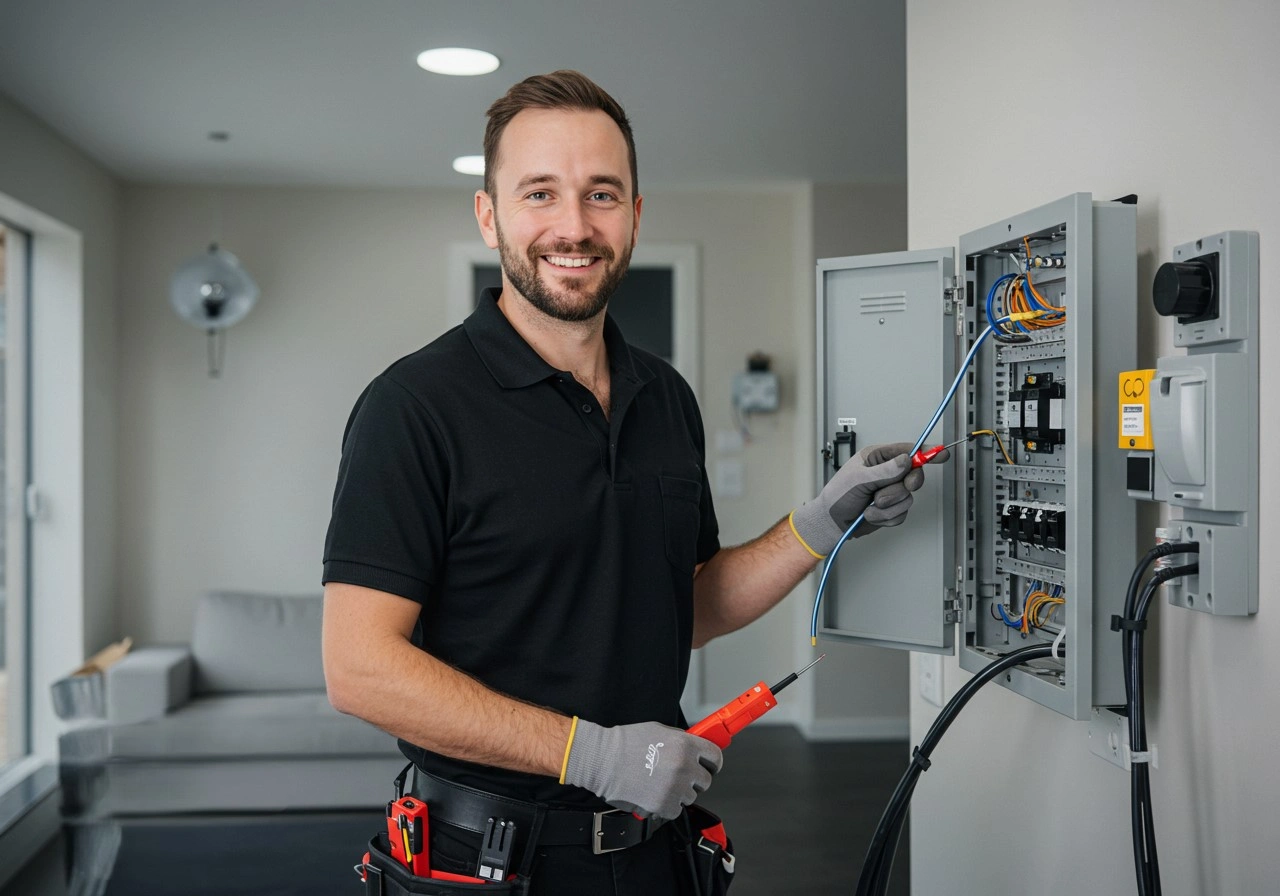
We can inspect the issue, explain what the defect actually means, outline what is required, and complete the relevant Level 2 work where needed.
Frequently Asked Questions
Can any electrician fix an Ausgrid defect notice?
No. Some defect notices relate to internal electrical work that a standard electrician can handle. But if the defect involves network-side service work such as overhead or underground services, disconnect/reconnect work, or certain metering-related tasks, you will generally need an authorised Level 2 ASP.
How long do I usually have to fix the defect?
For standard electrical defect notices, the usual timeframe is 21 days unless the notice states otherwise.
Can Ausgrid disconnect the power immediately?
If the defect is considered a major safety issue, it must not remain connected to the network. In serious situations, immediate disconnection or isolation may be required for safety.
How is the defect cleared?
Once the defect is rectified, Ausgrid must be notified using the required paperwork, which may involve a CCEW, a NOSW, or both, depending on the type of work completed.
What if the defect involves a private pole?
If the defect is on a private pole beyond Ausgrid’s connection point, the property owner is generally responsible for rectifying it.
Need help with an Ausgrid defect notice in Newcastle?
If you have received an Ausgrid defect notice in Newcastle, Lake Macquarie or the surrounding area, Elevated Electrical & Automation can inspect the issue, explain what needs to be done, and carry out the required Level 2 ASP work.
If the defect involves consumer mains, private poles, overhead services, underground services, metering, or disconnect/reconnect work, contact Elevated Electrical & Automation to arrange a site visit or quote.
Suggested Links